
Hearing Loop System Designed for Better Hearing Access
Even the strongest audio facilities and systems may sometimes be ineffective in certain situations, as listeners are still unable to hear what is being transmitted. In fact, distance from the speaker, background noise, reverberation, and the acoustic properties of space affect how well the person receives the information. A Hearing Loop System can provide a different way to hear for those with hearing aids or cochlear implants that have telecoils.
Indiana Hearing Loops can help organizations plan, install, test, and maintain a hearing loop system for facilities in Indiana and the surrounding Midwest. Our team can assess the space, the existing audio infrastructure, the seating arrangement, and what we need to recommend a hearing loop system.
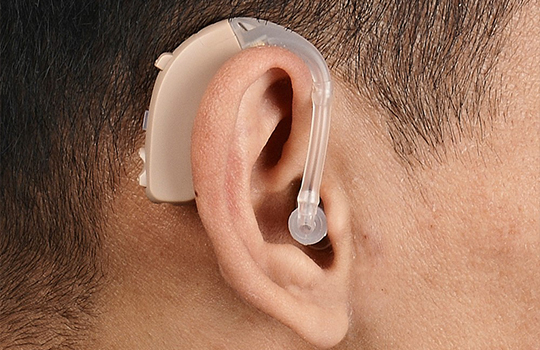
Turning Your Existing Audio Into a More Accessible Listening Experience
Hearing loops can complement audio systems found in different types of establishments. Sound from microphones, playback devices, and other sources is converted in a hearing loop machine and delivered via wire to the hearing loop area.
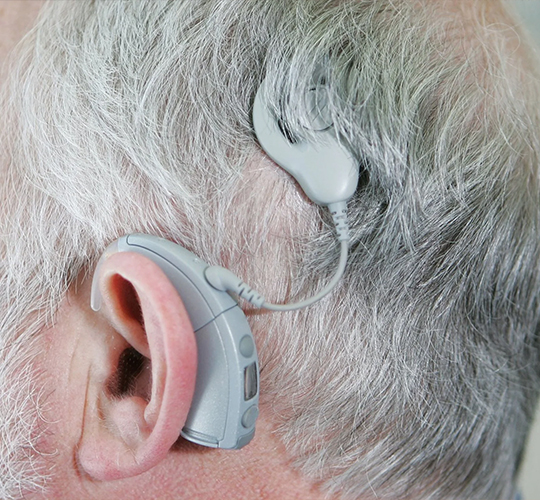
The receiver in a compatible hearing aid or cochlear implant can pick up this signal when the user turns on the right function. This helps to diminish some of the problems associated with distance and background interference, which can prevent comprehension of speech.
The success of a loop also depends on the room, its size and shape, the construction materials, the seating arrangements, any sources of interference, the audio system or source, and other factors. These elements all factor into what we look at when considering a hearing loop for your organization
What We Evaluate Before a Hearing Loop Is Installed
A hearing loop should be considered in the context of the facility that will be using it. Indiana Hearing Loops can perform a survey of a space to understand what we are looking at in terms of requirements and capabilities before a loop is installed.
Our evaluation may take into account:
- Size and shape of the listening area
- Seating arrangement and desired coverage
- Existing sound equipment
- Audio sources and requirements
- Building construction
- Sources of interference
- Coverage required for desired areas
- Future needs of the facility
These variables can help us develop a system that fits better with the listening environment instead of selecting a system and making modifications to a space based only on the size of a room or a set formula.
Creating Accessible Listening Experiences in Different Types of Spaces
While hearing loop technology can help in numerous environments, the requirements can be very different at each facility
A theater may have vastly different requirements from a school auditorium or a conference room. Indiana Hearing Loops understands that churches and houses of worship, schools and universities, theaters and concert halls, libraries and museums, and other facilities all have very different requirements.
The application, use case, and purpose of the loop can help dictate how and where a loop is installed to best suit the needs of the organization
Giving Churches a Better Way to Deliver Clear Audio
Hearing Loop Systems for Churches can be designed around the layout of the seating in the church sanctuary and the existing audio system.
Rather than thinking of worship spaces as one uniform type, Indiana Hearing Loops looks at the size of the sanctuary, the seating and listening area, any existing audio equipment, and the space that needs to be covered by a loop.
A properly designed loop can offer hearing-aid compatible users an additional means of accessing the audio being delivered without having to hear it over a PA system or other sound system
From Site Survey to a Tested Hearing Loop System
A professional Hearing Loop Installer can do more than place loop equipment in a room. Proper system design, equipment selection, installation, configuration, and testing all contribute to the final performance.
Indiana Hearing Loops can provide:
Consultation and planning
On-site surveys
Hearing loop system design
Ongoing service and support
Equipment selection and purchasing
Hearing Loop Installation
System configuration
Coverage and performance testing
Our team can also work with existing audio infrastructure when appropriate, helping organizations determine how hearing loop technology can be incorporated into their current setup.
Experience That Goes Beyond the Equipment
The equipment that makes up a hearing loop system is only one element of an overall solution. Experience with audio systems, room characteristics, installation requirements, and hearing accessibility are also important in creating a loop solution that meets the needs of a facility
Indiana Hearing Loops can leverage its experience with hearing loop systems and its background and knowledge in the audio/visual industry to provide an integrated solution for your facility. Indiana Hearing Loops is a Contacta-affiliated authorized dealer, and we have extensive training and experience with advanced hearing loop systems.
We also offer free site surveys and consultations to organizations that want to explore their options in terms of improving accessibility and making existing or planned investments in audio systems more accessible
Start With Your Facility, Not a Standard Package
There is no one-size-fits-all hearing loop system configuration that can work for every space. Every application has different requirements that need to be considered when designing a system that will best suit the needs of the facility, its occupants, and the environment.
When comparing what the Best Hearing Loop Installers in Indiana have to offer, we think that you should review the complete scope of services, from surveys and planning through installation, testing, and service and support.
Indiana Hearing Loops can help you decide what type of Hearing Loop System would be most beneficial for your facility and how that system can work within your existing audio infrastructure.
Call 765-449-4211 or email [email protected] to set up a consultation or a site survey.